Odour Removal Services
Get in touchAt Emergency Clean, we deliver professional odour removal services and across the UK, providing advanced molecular neutralisation for residential, commercial, and industrial environments. Our technicians utilise industrial-grade technology to address persistent malodours arising from fire damage, decomposition, and biological contamination.
By identifying the root cause of atmospheric pollutants, we ensure that every property is restored to a safe, fresh, and habitable state while safeguarding structural materials from permanent chemical saturation.
How Much Do Odour Removal Services With Emergency Clean Cost?
The cost of odour removal services ranges from £200 to over £5,000, depending on the intensity of the malodour, the total cubic volume of the space, and the number of treatment cycles required.
Costs are primarily influenced by the depth of odour penetration into porous building fabrics, the requirement for industrial ozone or hydroxyl generators, the necessity for source removal or deep cleaning, and whether the project involves a single vehicle or a large-scale commercial facility.
Contact Emergency Clean to get customised prices for delivering odour removal services at your property.
What Types of Odours Can Emergency Clean Remove From Properties?
Emergency Clean provides disaster cleanup services across the United Kingdom with emergency response available around the clock for urgent situations.
Our disaster cleanup teams work alongside loss adjusters, insurance companies, and property owners to ensure the restoration process is managed efficiently from the initial assessment through to project completion.
Every disaster cleanup project begins with a thorough damage assessment to establish the extent of the impact, identify any immediate safety hazards, and determine the appropriate remediation strategy for the type of damage sustained.
Disaster cleanup covers several distinct service areas, each requiring different techniques, equipment, and expertise depending on the cause of the damage.
Flood Damage Cleanup
Flood damage cleanup addresses properties inundated by external floodwater from rivers, surface water, or overwhelmed drainage systems. Floodwater carries sewage, agricultural runoff, chemical contaminants, and debris that saturate the structure of a property and create severe contamination risks. Flood damage cleanup involves the extraction of standing water, the removal of saturated plasterboard, insulation, and flooring materials, full antimicrobial treatment of the building fabric, and controlled drying using industrial dehumidification equipment to prevent secondary mould growth.
Water Damage Cleanup
Water damage cleanup deals with properties affected by internal water events, including burst pipes, leaking roofs, appliance failures, and plumbing malfunctions. Water damage from internal sources spreads rapidly through ceiling voids, wall cavities, and beneath flooring, often causing hidden damage that is not immediately apparent. Water damage cleanup requires moisture mapping to identify all affected areas, the removal of damaged materials where necessary, thorough drying of the building structure, and monitoring to confirm moisture levels have returned to acceptable parameters before reinstatement work begins.
Fire Damage Cleaning
Fire damage cleaning restores properties that have been damaged by fire, addressing the destruction caused by flames, the soot deposits left throughout the building, and the water damage resulting from firefighting efforts. Fire produces different types of soot depending on the materials burned, and each type requires specific cleaning techniques and chemical agents for effective removal. Fire damage cleaning covers the removal of charred materials, the cleaning of soot from walls, ceilings, and structural surfaces, the treatment of smoke-damaged soft furnishings and contents, and the decontamination of the property to eliminate carcinogenic residues left by combustion.
Smoke Damage Cleaning
Smoke damage cleaning addresses properties where smoke has penetrated the building fabric without significant fire damage to the structure itself. Smoke particles are microscopic and travel far beyond the immediate fire source, embedding themselves in paintwork, fabrics, ventilation systems, and porous building materials throughout the property. Smoke damage cleaning uses specialist techniques including thermal fogging, ozone treatment, and chemical sponge cleaning to extract smoke residue from surfaces and materials that would otherwise continue to release odour and discolouration long after the fire event.
Storm Damage Cleanup
Storm damage cleanup responds to properties damaged by high winds, heavy rainfall, lightning strikes, fallen trees, and other severe weather events. Storm damage often creates multiple problems simultaneously, including structural breaches that allow water ingress, debris contamination of interior spaces, and damage to roofing, windows, and external cladding. Storm damage cleanup involves the safe removal of debris, the securing of the property against further weather exposure, the extraction and drying of any water that has entered the building, and the cleaning and restoration of all affected interior areas.
All disaster cleanup services carried out by Emergency Clean are delivered in accordance with British Damage Management Association standards and PAS 64 guidelines for the mitigation and recovery of fire and flood-damaged buildings.
Emergency Clean works directly with all major insurance providers and loss adjusting firms, providing detailed documentation, including photographic evidence, moisture readings, and drying logs to support the claims process.
Disaster cleanup projects are managed from initial emergency response through to full property reinstatement, ensuring continuity and accountability throughout the restoration.
How Does Emergency Clean Eliminate Persistent Odours at the Source?
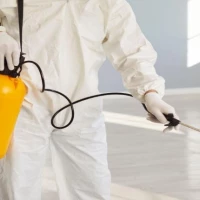
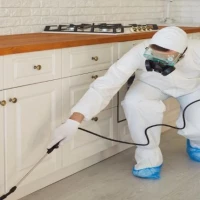
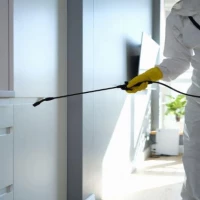
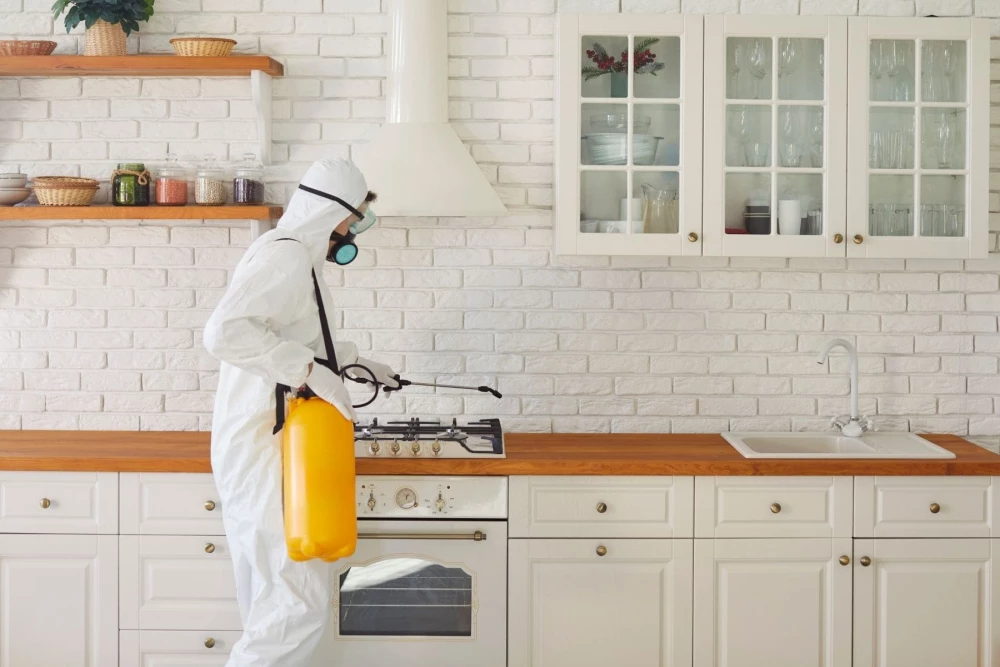
Molecular neutralisation for odour removal services involves a structured multi-stage process that prioritises the destruction of volatile molecules rather than temporary masking. We perform physical source removal followed by targeted thermal fogging, which disperses neutralising agents at the same particle size as the odour itself, allowing it to penetrate deep into structural crevices.
This chemical reaction alters the molecular structure of the contaminant, rendering it inert and ensuring that the malodour does not return when environmental conditions, such as humidity or temperature, fluctuate.
Is Your Odour Removal Safe for Homes and Workplaces?
The safety of occupants is a core priorities during odour removal services, where we implement rigorous exclusion zones and ventilation protocols. While fogging agents are selected for their safety in domestic settings, industrial ozone treatment requires the premises to be completely unoccupied by humans and pets due to high-level oxidation.
Our technicians monitor ozone concentration levels throughout the cycle, ensuring the building is fully purged of residual gases before certifying the area as safe for re-entry, resulting in a sterile environment that meets all UK health and safety guidelines.
Why Is Professional Odour Removal by Emergency Clean Important for Indoor Air Quality?
Professional intervention for odour removal services is essential because persistent smells often indicate the presence of hazardous airborne contaminants that domestic products cannot neutralise. Biological odours from sewage or decomposition signify active pathogenic risks, while smoke odours contain toxic residues that can cause long-term respiratory distress.
By performing an engineered neutralisation reset, property owners protect the health of residents and preserve the market value of the asset, ensuring the environment is both physically safe and emotionally comfortable for occupancy.
What Specialist Equipment Does Emergency Clean Use for Odour Neutralisation?
Technical teams utilise high-performance hardware to achieve the thorough eradication of atmospheric pollutants and embedded compounds, featuring:
Industrial Ozone Generators – Producing high-output trioxygen to oxidise and destroy organic molecules at a molecular level throughout the treated space.
Hydroxyl Radical Generators – Utilising UV technology to safely neutralise odours in occupied areas where traditional ozone application is not permissible.
Thermal Fogging Units – Creating a fine biocidal mist that mimics the movement of smoke to reach inaccessible voids and ventilation systems effectively.
Activated Carbon Air Scrubbers – Removing airborne particulates and chemical vapours to ensure air quality is restored during and after the remediation process.
High-Sensitivity Moisture Meters – Identifying hidden pockets of dampness that often serve as the primary catalyst for persistent fungal and bacterial odours.
Can You Remove Smoke, Biological, and Environmental Odours?
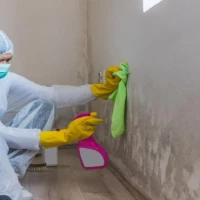
Specialist technical teams provide targeted remediation for different odour categories to ensure a high-fidelity environmental reset. We coordinate the application of enzyme-based cleaners for biological incidents alongside industrial oxidation for chemical or smoke-related issues.
This methodical approach ensures that the Subject (Odour Control) successfully treats the Object (Contaminated Substrate), preventing the redistribution of pollutants and ensuring that the building envelope remains fresh and compliant with statutory hygiene standards.
Contact Emergency Clean for a consultation to get professional odour removal services tailored to your organisation's risks and responsibilities.
Get in touch
Skip to
Gallery