Storm Damage Cleanup
Get in touchAt Emergency Clean, we deliver accredited, regulation-aligned storm damage cleanup and across the UK, providing expert response for properties affected by high winds, flooding, and structural failure. Our specialists provide engineered restoration solutions designed to mitigate the secondary damage associated with water ingress and debris accumulation.
By integrating advanced moisture mapping with industrial-grade extraction, we assist property owners and insurers in returning environments to habitable standards while satisfying stringent health and safety legislation.
How Much Does Storm Damage Cleanup With Emergency Clean Cost?
The cost of storm damage cleanup ranges from £500 to over £20,000, depending on the scale of the incident, the volume of hazardous debris, and the depth of structural saturation.
Costs are primarily influenced by the requirement for specialist access equipment, the tonnage of waste for licensed disposal, the duration of the industrial drying programme, and the necessity for biological decontamination where floodwater is involved.
Contact Emergency Clean to get customised prices for delivering storm damage cleanup at your property.
What Does Emergency Clean Include in a Storm Damage Cleanup Service?
Our storm damage cleanup provides a comprehensive range of technical procedures designed to restore site safety and environmental hygiene, including:
Emergency Site Assessment – Identifying structural hazards and contamination categories to establish a safe system of work before remediation begins.
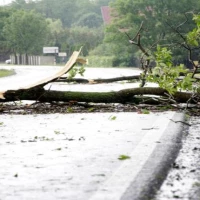
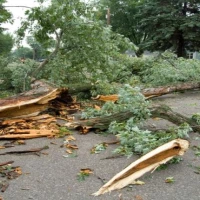
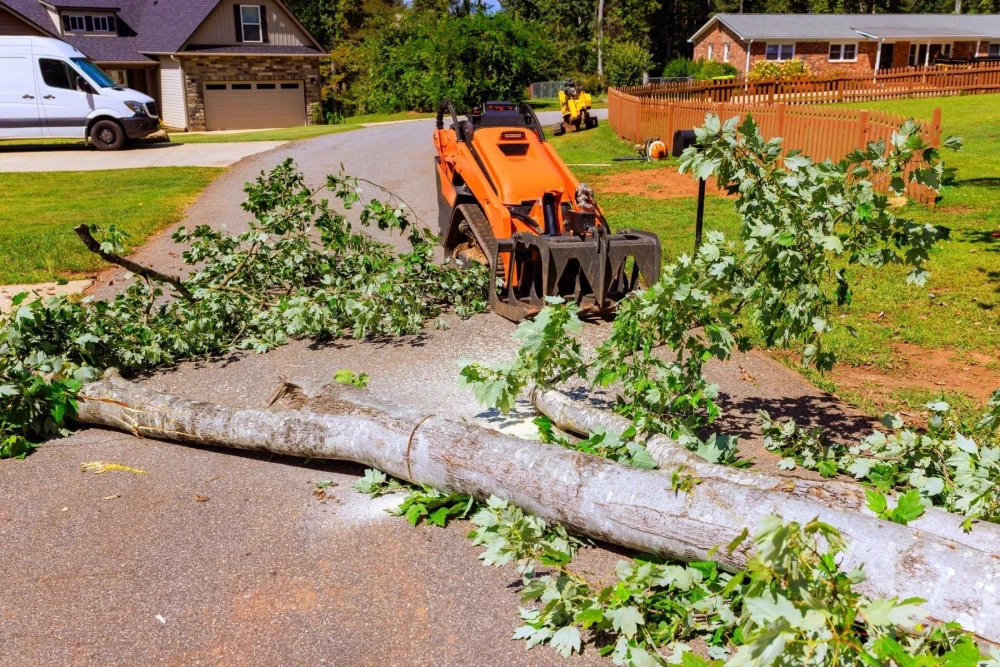
Debris and Fallen Tree Removal – Clearing structural fragments, roof materials, and vegetation to facilitate safe access for restoration teams.
Industrial Water Extraction – Utilising high-capacity pumping systems to remove standing water from ground floors and basements rapidly.
Precision Structural Drying – Deploying commercial desiccant dehumidifiers to extract deep-seated moisture from masonry and timber frames.
Verified Biocidal Sanitisation – Neutralising pathogens from floodwater or sewage ingress to ensure the building is biologically safe for reoccupation.
What Types of Storm Damage Does Emergency Clean Handle for Properties?
We manage a diverse range of environmental failure scenarios through storm damage cleanup to protect the structural integrity of residential and commercial buildings, featuring:
Roof and Fabric Breaches – Remediating water ingress caused by high wind damage, missing tiles, or chimney collapses during severe weather.
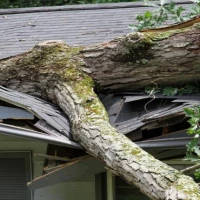
Fallen Tree Impacts – Managing structural penetration and debris accumulation following heavy timber impact on building envelopes.
Surface Water Flooding – Extracting contaminated floodwater from basements and ground floors following extreme rainfall or river overflow.
Cladding and Glazing Failures – Boarding and weatherproofing properties where window seals or external panels have been compromised by wind pressure.
Combined Sewer Overflows – Providing urgent decontamination of foul water incidents triggered by excessive load on municipal drainage systems.
How Does Emergency Clean Remove Debris and Restore Storm-Damaged Areas?
A systematic multi-phase restoration process is followed for storm damage cleanup to ensure that every structural component is verified for safety before physical reconstruction begins. Our technicians execute phased debris removal, working from the most hazardous areas outward to establish a safe working environment.
This is followed by the deployment of high-velocity air movers and moisture monitoring sensors to identify hidden pockets of dampness within wall cavities. By verifying structural dryness, we ensure that future repair works do not trap moisture, which prevents the development of dry rot and fungal colonisation.
What Specialist Equipment and Cleanup Methods Does Emergency Clean Use?
Technical teams utilise high-performance hardware for storm damage cleanup to achieve the thorough eradication of moisture and hazardous particulates, including:
Submersible Pumping Units – Providing rapid removal of bulk standing water to mitigate the risk of structural erosion and foundation damage.
Desiccant Dehumidification Systems – Advanced units designed to draw deep-seated moisture from heavy masonry and timber joists efficiently.
HEPA Negative Air Units – Creating controlled environments that prevent the drift of toxic particulates into unaffected building zones during clearance.
ATP Bioluminescence Meters – Verifying that surface hygiene meets clinical standards following the decontamination of floodwater or sewage.
Thermal Imaging Cameras – Identifying hidden moisture pathways within the building envelope to ensure targeted structural drying.
Why Is Professional Storm Damage Cleanup by Emergency Clean Important for Property Recovery?
Professional intervention for storm damage cleanup is essential because delayed response facilitates progressive timber decay and the proliferation of hazardous mould. If floodwater or sewage is involved, the environment harbours infectious diseases that domestic cleaning agents cannot neutralise effectively.
By performing an engineered restoration reset, property owners preserve the market value of the asset and satisfy the requirements of loss adjusters for a fast and defensible insurance settlement, ensuring the environment is physically safe for occupancy.
Is Emergency Clean's Storm Damage Cleanup Fully Compliant With UK Safety Regulations?
Technical interventions for storm damage cleanup are performed in strict accordance with the COSHH Regulations 2002 and current Working at Height safety standards. We maintain a comprehensive environmental audit trail, providing property managers with the documented proof of due diligence necessary to satisfy insurers and the Health and Safety Executive (HSE) auditors.
By coordinating with licensed waste carriers, we ensure that all removed contaminants and structural debris are processed at authorised facilities, protecting the site operator from legal liability.
Contact Emergency Clean for a consultation to get professional storm damage cleanup tailored to your property's safety and recovery needs.
Get in touch
Skip to
Gallery