Extreme Deep Cleaning
Get in touchAt Emergency Clean, we deliver professional extreme deep cleaning and across the UK, attending residential, commercial, and social housing sites where standard cleaning is insufficient. Our specialists provide certified biohazard remediation and industrial-grade restoration to return severely neglected environments to safe, habitable conditions.
By integrating advanced microbial extraction with technical risk assessments, we assist property owners and local authorities in mitigating public health risks while protecting the structural integrity of the building fabric.
How Much Does Extreme Deep Cleaning Cost?
The cost of extreme deep cleaning ranges from £500 to over £12,000, depending on the property size, contamination severity, and the volume of waste requiring licensed disposal.
Costs are primarily influenced by the requirement for specialist PPE and air scrubbers, the tonnage of hazardous refuse, the depth of biological fluid penetration into sub-floors, and whether the project involves a small residential reset or a large-scale industrial remediation.
Contact Emergency Clean to get customised prices for getting extreme deep cleaning at your property.
Is Emergency Clean's Extreme Deep Cleaning Fully Compliant With UK Health Regulations?
Every project managed for extreme deep cleaning is executed in strict accordance with the COSHH Regulations 2002 and the Environmental Protection Act 1990. We ensure that your facility meets its statutory duty of care by maintaining a comprehensive environmental audit trail, which is essential for satisfying the requirements of insurers and the Health and Safety at Work Act 1974.
This commitment to compliance ensures all technical interventions are legally defensible, confirming that hazardous waste is managed through registered treatment facilities in line with national standards.
What Situations Require Extreme Deep Cleaning by Emergency Clean?
We provide professional extreme deep cleaning for a variety of high-risk scenarios where neglect or biological hazards have compromised the environment, including:
Severe Rental Property Neglect – Addressing units returned in grossly unsanitary conditions to prevent structural decay and facilitate re-letting.
Post-Hoarding Remediation – Managing properties with extreme material accumulation that creates fire risks and conceals underlying biological hazards.
Sewage and Foul Water Flooding – Extracting liquid waste and sanitising structural elements to eliminate enteric pathogens and mould risks.
Unattended Death Decontamination – Providing technical cleaning for scenes where decomposition has affected the building's sub-surfaces and air quality.
Drug Manufacturing Premises – Remediating clandestine laboratories to remove toxic chemical residues and hazardous biological waste safely.
How Does Emergency Clean Restore Heavily Contaminated Properties?
The process for extreme deep cleaning follows a structured multi-phase engineering workflow designed to achieve clinical safety, involving:
Hazard Identification and Risk Assessment – Conducting technical audits to identify biological, chemical, and structural threats before work commences.
Containment and Pathogen Control – Utilising negative air pressure systems to prevent the migration of toxic particulates into unaffected building zones.
Systematic Waste Segregation – Identifying and separating general refuse from hazardous or clinical waste streams to ensure legal disposal compliance.
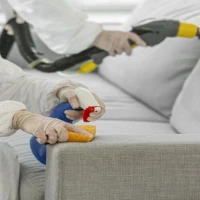
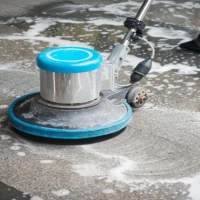
Industrial-Grade Surface Treatment – Implementing mechanical scrubbing and biocidal applications to neutralise bacteria and viruses at a molecular level.
ATP Verification Testing – Monitoring surface hygiene in real-time through bioluminescence technology to confirm that decontamination meets clinical benchmarks.
What Specialist Equipment and Cleaning Methods Does Emergency Clean Use?
We utilise high-performance hardware for extreme deep cleaning to achieve the thorough eradication of hazards while protecting technical teams, featuring:
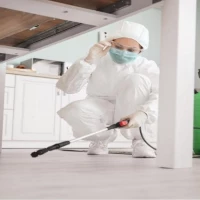
Category Three PPE Sets – Full-body chemical-resistant suits and respirators to safeguard technical staff from respiratory and contact hazards.
HEPA Air Scrubber Units – Removing airborne particulates and microbes to ensure air quality is restored for future building occupants.
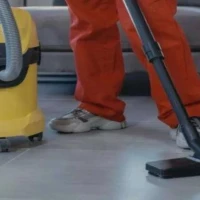
Industrial Fluid Extractors – High-suction vacuum units designed to recover bulk fluids and saturated waste from building sub-surfaces.
Ozone and Hydroxyl Generators – Advanced odour-neutralisation technology that targets the organic compounds responsible for persistent biological smells.
Thermal Fogging Machines – Dispersing biocidal clouds into inaccessible voids and ventilation systems to neutralise hidden bacterial pockets.
Why Is Professional Extreme Deep Cleaning by Emergency Clean Important for Health and Safety?
Expert intervention for extreme deep cleaning is vital because neglected properties harbour toxic substances and infectious diseases that domestic cleaning agents cannot neutralise. If biological fluids or hazardous chemicals reach the sub-floor, they can cause long-term structural decay and attract secondary pest infestations.
By performing an engineered decontamination reset, property owners protect the health of residents and preserve the market value of the asset, ensuring the environment is physically safe and emotionally habitable for future occupancy.
Contact Emergency Clean for a consultation to get professional, extreme deep cleaning tailored to your property's safety and continuity needs.
Get in touch
Skip to
Gallery